Chapter Font: Bold Design for Impactful Visual Communication
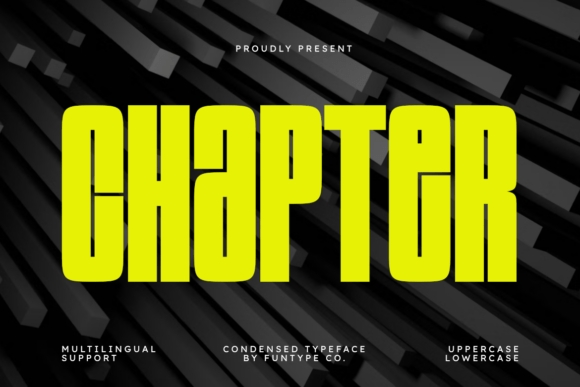
If you're looking for a typeface that commands attention without sacrificing clarity, Chapter might be exactly what your design project needs. This bold, condensed sans-serif font was crafted to deliver a strong visual presence. Its tall proportions, sharp lines, and modern aesthetic make it an ideal choice for situations where readability and confidence are key.
Unlike more traditional sans-serif fonts that aim for neutrality, Chapter is designed to stand out. Whether you're working on a high-energy poster, a branding package, or a digital advertisement, this font brings a contemporary edge that enhances the message you're trying to convey.
Key Features of Chapter Font
Chapter distinguishes itself through several standout characteristics:
- Condensed Structure: The narrow letterforms allow for more text in limited spaces without feeling cramped.
- Tall X-Height: Improved legibility, especially at a distance or in smaller sizes.
- Sharp, Confident Lines: A modern geometry gives the font a clean, structured appearance.
- Bold Weight Options: Available in strong weights that emphasize presence without overwhelming the design.
These traits combine to make Chapter a versatile typeface that works well in both digital and print formats. It’s engineered for clarity and impact, which is especially important in fast-paced environments where viewers only have a few seconds to absorb your message.
Where Chapter Excels: Real-World Applications
Chapter shines in environments where visual impact and readability are equally important. Here are some practical use cases across different industries:
Branding and Identity Design
For brands that want to project confidence and modernity, Chapter works well in logos, taglines, and marketing materials. Its bold presence helps reinforce brand recognition, especially when used consistently across packaging, ads, and digital assets.
Editorial and Publishing Layouts
Magazines, newspapers, and editorial websites often use Chapter for headlines and subheadings. Its tall structure and condensed form make it ideal for drawing attention without consuming excessive space on the page.
Advertising and Promotional Materials
In digital ads, banners, or social media graphics, Chapter helps capture attention quickly. Its clarity at smaller sizes makes it effective even on mobile screens where space is limited.
Posters and Event Promotion
Whether it's for a concert, workshop, or local event, Chapter’s boldness ensures that event titles and key details are readable from a distance. It pairs well with minimalist layouts or high-contrast visuals.
Web and UI Design
Used in buttons, call-to-action elements, or navigation menus, Chapter adds a modern typographic touch to websites and applications. Its strong presence helps guide user attention effectively.
Benefits of Using Chapter in Your Projects
Choosing the right typeface can significantly influence how your message is received. Chapter offers several advantages:
- Improved Readability: Its tall x-height and open counters ensure legibility across mediums and sizes.
- Enhanced Visual Impact: The bold, condensed form naturally draws the eye, making it great for headlines and focal points.
- Professional Consistency: Whether used in print or digital, Chapter maintains a clean, modern appearance that aligns with contemporary design trends.
- Efficient Space Use: The condensed nature of the font allows for longer text blocks in limited spaces without compromising clarity.
These benefits make Chapter a smart choice for designers who want to balance aesthetics with functionality. It’s not just about looking good—it’s about communicating effectively.
How to Use Chapter Effectively
While Chapter is a powerful font, it works best when used thoughtfully. Here are some tips for integrating it into your designs:
- Pair with Simpler Fonts: Because of its bold presence, Chapter works best when paired with more neutral typefaces for body text. Try using it for headings and a simpler sans-serif for supporting content.
- Limit Line Length: Due to its condensed nature, long lines of text in Chapter can become visually dense. Keep paragraph lengths short or use it for titles and short bursts of text.
- Use for Emphasis: Don’t overuse Chapter throughout an entire layout. Save it for key messages, headlines, or calls to action to maintain its impact.
- Test Across Devices: Especially in digital use cases, make sure the font renders well on mobile and desktop screens. Check legibility at different sizes and in different color contrasts.
By applying these principles, you can maximize the effectiveness of Chapter without overwhelming your audience or sacrificing usability.
Chapter vs. Similar Fonts: What Sets It Apart
There are many condensed sans-serif fonts on the market, but what makes Chapter unique? Here's how it compares:
- More Modern Geometry: Compared to fonts like Impact or Arial Narrow, Chapter has a cleaner, more contemporary structure that feels less compressed and more intentional.
- Better Legibility: Some condensed fonts sacrifice readability for space efficiency. Chapter maintains clarity even at smaller sizes, making it more versatile.
- Designed for Both Print and Digital: Many bold condensed fonts are optimized for one medium or the other. Chapter is built to perform well in both environments.
If you're looking for a typeface that balances strength with clarity, Chapter offers a compelling middle ground that many other fonts miss.
Is Chapter Right for Your Project?
Consider Chapter when you need a typeface that:
- Commands attention without being overwhelming
- Works well in limited space
- Needs to be readable at a glance
- Conveys confidence and modernity
It’s particularly well-suited for branding, editorial design, advertising, and UI applications where visual hierarchy and legibility are essential. However, it may not be the best choice for long-form body text due to its condensed structure.
Before committing, always test Chapter in your specific context. Try it in different sizes, colors, and layouts to see how it performs. If it aligns with your design goals and enhances your message, then it’s a great fit.