Dead Town: The Bold Vintage Serif for Gritty Designs
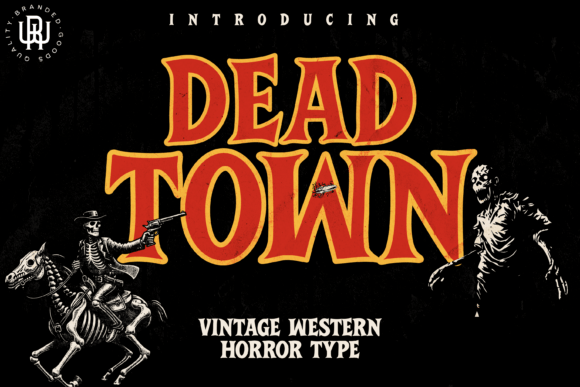
Dead Town isn't just another font—it's a visual punch of rugged Western spirit fused with Halloween's eerie essence. This vintage serif display typeface stands out with its heavy letterforms, rough textures, and a worn, grunge-inspired aesthetic. Whether you're crafting a Halloween poster or designing a whiskey label, Dead Town delivers a bold, haunted edge that's hard to ignore.
Real-World Uses for Dead Town
Graphic designers, brand creators, and merch artists are increasingly turning to Dead Town for projects that demand a raw, nostalgic look. Its versatility shines across multiple industries, from music to beverage branding. Here's how different professionals are putting it to work:
- Halloween Artwork: Horror-themed posters, flyers, and social media graphics gain instant atmosphere with Dead Town. Its spooky texture enhances haunted house promotions, horror film posters, and seasonal event branding.
- Western-Inspired Posters: From rodeo events to outlaw-themed parties, Dead Town captures the dusty, lawless charm of the Old West. It's ideal for event flyers, saloon branding, and themed merchandise.
- Band Merch and Streetwear: Rock bands and streetwear brands use Dead Town for t-shirt prints and hoodies that demand attention. Its bold, worn look works especially well for gothic, punk, and metal aesthetics.
- Whiskey and Craft Beverage Labels: Distilleries and craft breweries lean on Dead Town to evoke authenticity and heritage. Whether it's a small-batch bourbon or a limited-edition Halloween brew, this font adds character and grit.
- Tattoo Designs: Tattoo artists and clients love Dead Town for script-based tattoos that feel timeless yet edgy. It’s often used in custom lettering for names, quotes, or thematic body art with a dark twist.
Who Benefits from Using Dead Town?
Dead Town appeals to a wide range of creatives and entrepreneurs who want to inject a sense of history and intensity into their visuals. Here’s how different users find value in this distinctive typeface:
- Freelance Designers: Those who work on a variety of client projects appreciate Dead Town's adaptability. It can be the go-to font for anything from music album covers to vintage-inspired logos.
- Small Business Owners: Entrepreneurs launching niche brands—like haunted attractions, tattoo parlors, or rustic apparel lines—use Dead Town to establish a strong visual identity without overcomplicating their design process.
- Musicians and Bands: Artists in darker genres like gothic rock or outlaw country use the font for gig posters, album art, and fan merchandise that aligns with their aesthetic.
- Marketing Teams: In-house creatives at beverage companies or seasonal event planners use Dead Town to create eye-catching campaigns that resonate with niche audiences.
What to Consider Before Using Dead Town
While Dead Town is a powerful design tool, it's not a one-size-fits-all solution. Here are a few practical considerations to keep in mind before diving in:
- Readability: Due to its heavy texture and rough edges, Dead Town works best for headlines, logos, and short text. It's not ideal for long paragraphs or body copy where clarity is key.
- License Type: Make sure you're purchasing the correct license for your intended use. Some font licenses restrict commercial use or require attribution, so always double-check before applying it to client or product work.
- Color Contrast: To make the most of its grunge texture, pair Dead Town with high-contrast colors. Dark fonts on light backgrounds or vice versa help maintain legibility while preserving its edgy look.
- Design Pairing: While Dead Town makes a strong statement on its own, it pairs best with simpler, clean fonts for subheadings or body text. Avoid using multiple textured fonts together, as it can lead to visual clutter.
Strengths That Set Dead Town Apart
What makes Dead Town stand out in a crowded font market is its unique blend of Western and Halloween motifs. Here are some of its strongest features:
- Handcrafted Aesthetic: Each letter feels like it was carved by hand, giving your design a personal, artisanal touch.
- High Visual Impact: Thanks to its bold weight and rough texture, Dead Town commands attention—even from a distance.
- Versatile Application: From digital graphics to printed merchandise, this font adapts well to different mediums and formats.
- Seasonal Flexibility: It’s not limited to Halloween—Dead Town works just as well for Western-themed events, rustic branding, and alternative fashion visuals.
When Dead Town Might Not Be the Best Fit
Despite its many strengths, Dead Town isn't suitable for every project. Here are some situations where it might not be the right choice:
- Corporate Branding: If you're designing for a clean, modern, or professional environment, Dead Town's rough aesthetic might clash with your brand tone.
- Minimalist Designs: In projects that rely on simplicity and clean lines, Dead Town can feel overwhelming or out of place.
- International Characters: Depending on the version you purchase, Dead Town may lack extended language support, making it less suitable for multilingual projects.
Bringing Dead Town into Your Creative Workflow
Incorporating Dead Town into your designs is straightforward, especially if you're using popular design tools like Adobe Photoshop, Illustrator, or Canva. Many font marketplaces offer easy installation guides and preview options, so you can test how it looks before committing.
Start by using it in smaller projects like social media posts or logo mockups. Once you're comfortable with its visual impact, try applying it to larger branding pieces such as merchandise, packaging, or promotional materials. Experiment with different color schemes and background textures to enhance its vintage, haunted appeal.