Ending Font: A Stylish Choice for Creative Projects
Understanding the Ending Font
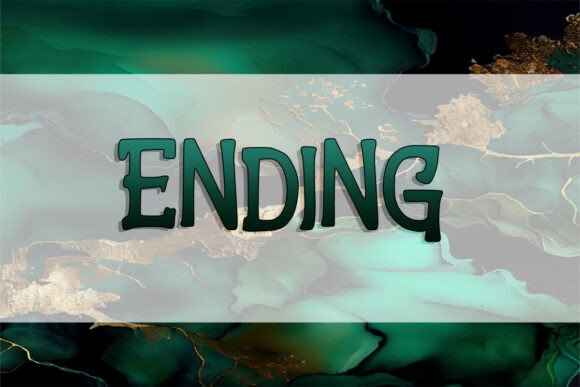
The Ending Font is a modern typeface designed with a balance of elegance and readability. Its clean lines and minimalist aesthetic make it a popular option for designers working across a variety of media, including print, digital, and craft-based projects. As a sans-serif font, it offers a contemporary feel that can be both professional and expressive depending on its application.
Unlike highly stylized fonts that may limit usability, the Ending Font strikes a middle ground. It’s distinctive enough to stand out, yet versatile enough to work in diverse design contexts. Whether used for branding, social media visuals, or product design, it supports a cohesive and visually appealing presentation.
Why Consider the Ending Font?
Designers and creators often seek fonts that offer both aesthetic appeal and functional flexibility. The Ending Font meets this need by providing a clean, modern appearance that adapts well to different formats. Here are some reasons someone might choose it:
- Visual Consistency: It maintains a uniform look across different sizes and platforms, which is essential for branding and marketing materials.
- Readability: Despite its stylistic qualities, it remains easy to read, especially in medium-length texts such as captions, headings, and short descriptions.
- Modern Aesthetic: For projects aiming for a sleek, contemporary vibe, the Ending Font delivers a polished appearance without appearing overly complex.
Benefits and Considerations
Using the Ending Font can offer several advantages depending on the intended use:
Key Benefits
- Versatility: Works well in both digital and print formats, including websites, social media graphics, posters, and greeting cards.
- Craft and DIY Compatibility: Frequently used in Cricut and SVG projects due to its clear outlines and scalable design.
- Brand Alignment: Its modern appearance makes it a good fit for brands aiming to project professionalism and innovation.
Potential Tradeoffs
While the Ending Font has much to offer, it may not be ideal in every situation:
- Limited Personality: Compared to decorative or script fonts, it may feel too neutral for projects requiring a strong emotional or thematic tone.
- Availability: Depending on the source, licensing or access restrictions may apply, especially for commercial use.
- Overuse Risk: As with many popular modern fonts, it can become repetitive if used without thoughtful design variation.
When the Ending Font Is a Strong Fit
There are specific scenarios where the Ending Font excels, particularly when clarity and style are equally important. Consider using it in the following contexts:
- Branding and Logos: Especially for startups or brands aiming for a clean, modern identity.
- Social Media Content: Ideal for quote graphics, Instagram stories, and promotional posts where legibility and aesthetics are key.
- Print-on-Demand Products: Works well on t-shirts, mugs, and stickers where a minimalist yet bold appearance is desired.
- Cricut and SVG Projects: Its clean vector structure makes it suitable for laser cutting and digital crafting tools.
When to Explore Alternatives
While the Ending Font is versatile, there are situations where another typeface may be more appropriate:
- Historical or Vintage Themes: Fonts with serif or distressed elements may better convey tradition or nostalgia.
- Children’s or Whimsical Designs: Rounded or playful fonts can be more engaging for younger audiences.
- High-Contrast Typography Needs: If a design requires bold and light variations for visual hierarchy, other fonts may offer more typographic flexibility.
Making the Right Choice
Selecting the right font is more than a matter of preference—it’s a strategic decision that affects communication, branding, and audience perception. When evaluating the Ending Font, consider the following factors:
- Project Type: Is it a formal brand identity or a casual DIY craft? Match the font to the tone of the project.
- Target Audience: Modern fonts appeal to younger, tech-savvy demographics, while traditional audiences may respond better to serif or classic styles.
- Usage Context: Will the font be used primarily in print, digital, or physical products? Ensure it scales well and remains legible in all formats.
- Licensing and Accessibility: Confirm that the font is available for your intended use, especially if you plan to distribute or sell designs featuring it.
Final Thoughts
The Ending Font is a well-crafted typeface that bridges the gap between elegance and usability. Its adaptability makes it a solid choice for designers looking to maintain a clean, modern aesthetic across multiple platforms. However, like any design element, it should be chosen with intention and context in mind.
Before committing to the Ending Font, test it in your intended design environment. Compare it with similar fonts to ensure it supports your message and aligns with your visual goals. Ultimately, the best font is the one that enhances your content while resonating with your audience.