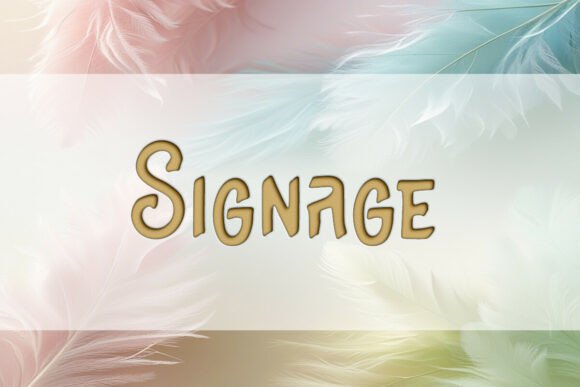
Signage Font: Timeless Design Meets Modern Creativity
In a world where visual communication plays a critical role in branding and self-expression, the right font can make all the difference. Signage font stands out as a versatile and aesthetically pleasing choice for designers, creators, and business professionals alike. Its clean lines, readable structure, and adaptable style make it ideal for a wide range of applications—from apparel and stickers to digital marketing and print media.
What Makes Signage Font Unique?
At its core, the Signage typeface is designed with clarity and impact in mind. Unlike overly stylized fonts that can lose legibility at smaller sizes, Signage maintains a balance between character and readability. This makes it particularly effective for use in environments where visibility matters—such as signage, product labels, and digital interfaces.
Its origins trace back to practical design needs, where typography had to be both informative and visually engaging. Today, that same principle applies across both physical and digital mediums. Whether you're crafting a T-shirt design or laying out a magazine spread, Signage offers a clean, modern look that doesn't sacrifice style for function.
Why Signage Font Fits Modern Creative Workflows
As digital tools become more accessible and design platforms like Canva, Adobe Express, and Cricut continue to grow in popularity, there's a rising demand for fonts that work seamlessly across different formats. The Signage font meets this need by offering compatibility with SVG files, print-ready formats, and web-safe versions.
Creative professionals and hobbyists alike are turning to Signage for its adaptability. For instance, when designing greeting cards or personalized stickers, the font's crisp appearance ensures that text remains the focal point without overwhelming other design elements. Similarly, in digital content creation, such as social media posts or website headers, Signage provides a clean, professional tone that enhances brand perception.
Real-World Applications of Signage Font
- Apparel Design: From custom T-shirts to embroidered patches, Signage adds a modern edge to wearable art.
- Branded Merchandise: Stickers, mugs, and tote bags benefit from the font’s legibility and elegant structure.
- Print Media: Magazines, flyers, and posters often rely on Signage for headlines and subheadings due to its strong visual presence.
- Digital Projects: Social media graphics, email newsletters, and landing pages gain a polished look with this typeface.
The Evolution of Typography in Everyday Life
Typography has come a long way from its early days of print newspapers and hand-painted signs. With the rise of personal design tools and DIY culture, fonts like Signage have become more than just tools—they're part of a broader movement toward self-expression and creative ownership. Today, even non-designers are curating fonts for personal brands, side hustles, and creative hobbies.
Signage has evolved alongside this shift. Originally used in directional signage and public information displays, it now finds a home in everything from Cricut-based craft projects to digital marketing campaigns. This transition reflects a growing appreciation for design quality among everyday users who want their work to look professional, even if they're not trained designers.
How Businesses Benefit from Using Signage Font
For small businesses and entrepreneurs, maintaining a consistent and professional brand identity is crucial. Fonts play a key role in that identity, and Signage offers a reliable option that works across multiple touchpoints. Whether it's on a product label, a website banner, or a promotional poster, using a consistent typeface like Signage reinforces brand recognition.
Additionally, the font’s adaptability makes it a cost-effective solution for startups and solopreneurs who may not have access to custom typography. Its widespread availability across design platforms means it can be easily integrated into existing workflows without the need for expensive licensing or technical expertise.
Design Tips for Getting the Most from Signage Font
To make the most of Signage in your projects, consider these practical tips:
- Pair with complementary fonts: Use Signage as a headline or subheading font and pair it with a simpler sans-serif or serif typeface for body text to maintain visual hierarchy.
- Experiment with weight variations: If your design software supports it, try using bold and light weights of Signage to create contrast and visual interest.
- Use it in layered designs: In Cricut or laser cutting projects, layering different sizes or colors of Signage text can add depth and dimension to your work.
- Optimize for readability: Even though Signage is highly legible, avoid using it in very small sizes or on busy backgrounds where it might get lost.
Looking Ahead: The Future of Signage in Design
As design tools continue to evolve and AI-assisted typography becomes more prevalent, the demand for clean, adaptable fonts like Signage is likely to grow. Designers and creators will increasingly look for typefaces that offer both aesthetic appeal and technical flexibility—qualities that Signage delivers consistently.
Moreover, as more people engage in remote work, digital content creation, and personal branding, the need for accessible, high-quality design elements will remain strong. In this context, Signage isn't just a font—it's a foundational tool that supports modern creative expression across industries and applications.