Beach Nothing: A Unique Font with Practical Appeal
What Makes Beach Nothing Stand Out?
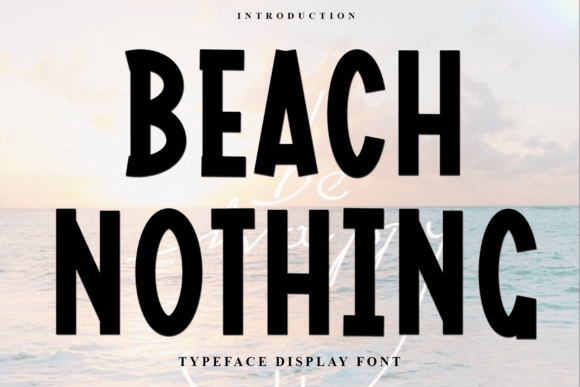
Beach Nothing isn’t just another decorative font—it’s a carefully crafted typeface that brings a soft, artistic touch to any design. With its flowing strokes and organic feel, it’s especially popular among creatives looking to add a sense of warmth and personality to their work. Whether you're designing a logo, crafting a greeting card, or working on digital content, Beach Nothing offers a natural aesthetic that’s both eye-catching and versatile.
Designed with readability and charm in mind, this font works well across a range of platforms, including Windows and open-source software. Its compatibility makes it a practical choice for both beginners and seasoned designers who want to maintain consistency across different applications.
Common Mistakes When Using Beach Nothing
Despite its appeal, many users make avoidable mistakes when choosing, applying, or evaluating Beach Nothing. These missteps can affect the final outcome of a project, sometimes in ways that aren’t immediately obvious. Let’s explore some of the most common issues and how to address them.
Mistake 1: Assuming It Works for Every Design
While Beach Nothing is undeniably beautiful, it’s not a one-size-fits-all solution. Some users try to apply it to formal or technical documents, where its soft, flowing style can clash with the intended tone. For example, using it in a business proposal might make the document appear less professional.
Better Approach: Reserve Beach Nothing for creative or informal projects like invitations, branding for lifestyle brands, or social media graphics. For more formal settings, pair it with a clean sans-serif font instead.
Mistake 2: Overlooking Licensing Details
One of the most overlooked aspects when downloading Beach Nothing is the licensing agreement. Some versions available online may restrict commercial use or require attribution, which can lead to legal issues if not properly addressed.
Better Approach: Always verify the license terms before using the font in a commercial project. Purchase a commercial-use license if needed, and keep a record of your purchase or permissions.
Mistake 3: Ignoring Kerning and Spacing
Like many decorative fonts, Beach Nothing can sometimes have uneven spacing or kerning issues when used in design software. Users who skip adjusting these settings may end up with text that looks awkward or hard to read.
Better Approach: Take time to manually adjust spacing and kerning, especially in headlines or logos. Most design tools allow for fine-tuning, which can significantly improve the overall appearance.
Mistake 4: Using It in Low-Resolution Formats
When Beach Nothing is used in low-resolution images or scaled too large without vector support, the fine details of the font can become distorted or pixelated.
Better Approach: Use vector-based formats like SVG or EPS when possible, especially for logos and large-format prints. If working in raster formats, ensure your resolution is at least 300 DPI for print and 72 DPI for web use.
What to Check Before Downloading or Purchasing
Before you commit to using Beach Nothing in your next project, take a moment to verify a few key points:
- Font Format: Ensure the file is compatible with your software. Common formats include .ttf, .otf, and .woff.
- Character Set: Check if the font includes special characters, accents, and punctuation that match your project’s needs.
- License Type: Confirm whether it’s free for personal use, requires a license for commercial use, or includes multi-user permissions.
- Support and Updates: Some font creators offer updates or customer support—this can be helpful if you encounter issues.
How to Use Beach Nothing Effectively
To get the most out of Beach Nothing, consider these practical tips:
- Pair It Wisely: Combine Beach Nothing with simple, modern fonts like Montserrat or Open Sans to create visual balance.
- Limit Line Length: For readability, especially in longer blocks of text, keep line lengths short and use generous line spacing.
- Test in Context: Preview the font in your actual design layout before finalizing. Sometimes a font that looks great in isolation doesn’t work well in a full composition.
- Use It for Emphasis: Rather than using it throughout an entire document, apply Beach Nothing to headings, quotes, or special callouts for maximum impact.
Real-World Examples of Better Usage
Consider a small business owner designing a new logo for a boutique. They initially used Beach Nothing as the main font but found it looked too casual for their upscale brand. Instead of abandoning the font entirely, they used it for secondary text and paired it with a sleek serif font for the main logo—achieving both elegance and warmth.
In another case, a blogger used Beach Nothing for a quote graphic on Instagram. However, the text was difficult to read due to poor contrast and spacing. After adjusting the color, increasing spacing, and adding a subtle drop shadow, the quote became more engaging and visually balanced.
Final Thoughts
Beach Nothing is a versatile and expressive font that can elevate your design projects when used thoughtfully. By understanding its strengths and limitations, you can avoid common pitfalls and make more informed decisions. Always test the font in your specific context, check licensing and technical details, and pair it with complementary styles to enhance your creative output.
Whether you're a designer, marketer, or hobbyist, taking a few extra steps before and during your project can make a big difference in how your work is perceived. With Beach Nothing, the goal is to enhance your message—not distract from it—with a touch of natural elegance.