Broken Willow: Choosing and Using This Distinctive Display Font with Care
Understanding Broken Willow: A Font with Edge and Attitude
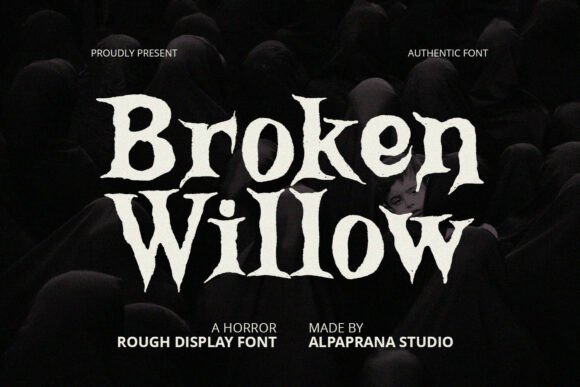
Broken Willow isn't your average font. It's a display typeface crafted to evoke rough textures and a slightly unsettling, scary aesthetic. Whether you're designing a Halloween poster, branding a niche clothing line, or creating a book cover with an edgy theme, Broken Willow can bring a strong visual tone to your project. However, its unique character also comes with considerations that designers, entrepreneurs, and creatives should keep in mind before downloading or applying it.
Common Missteps When Working with Display Fonts Like Broken Willow
Many people assume that if a font looks cool, it will work well in every context. But the truth is, not every bold or stylized font is suitable for every design. Broken Willow, for example, shines in short headlines and visual branding, but using it in extended body text or small sizes can lead to poor readability and a confusing message.
Mistake #1: Using Broken Willow for Long Blocks of Text
Display fonts like Broken Willow are designed for impact, not endurance. Their ornamental qualities make them difficult to read in paragraphs or fine print. If you're designing a magazine layout or a product description, consider pairing Broken Willow with a clean sans-serif or serif font for body text.
- Better approach: Use Broken Willow for titles, logos, or accents only.
- Example: A horror-themed clothing brand might use Broken Willow for its logo and tagline, but switch to a legible font like Helvetica for size charts or care instructions on tags.
Mistake #2: Overlooking Licensing Details
Before downloading or purchasing Broken Willow, it's essential to check the licensing terms. Some fonts are free for personal use but require a paid license for commercial applications like branding, packaging, or merchandise. Ignoring this can lead to legal issues or unexpected costs later on.
- Always read the license agreement before downloading.
- Verify whether the font can be used across different platforms (web, print, mobile).
- Contact the font creator or vendor if unsure about usage rights.
Mistake #3: Assuming All Display Fonts Are Interchangeable
While many display fonts aim to convey a bold or eerie vibe, each has its own personality. Broken Willow, with its rough edges and sharp angles, may not suit every brand or event. Confusing it with similar fonts like Horror Script or Grunge Type can result in a mismatched tone or aesthetic.
Tip: Compare Broken Willow with other fonts side by side in your actual design layout before committing. This helps ensure it aligns with your brand voice and visual identity.
Designing with Broken Willow: Practical Tips for Best Results
When used correctly, Broken Willow can elevate your design and create a memorable impression. Here are some key strategies to make the most of this font without falling into common traps:
Pair It Thoughtfully
Broken Willow works best when balanced with simpler, more legible fonts. For example, using it for a headline and pairing it with a clean, modern sans-serif for subheadings or body text ensures readability while maintaining visual interest.
Test Across Mediums
If you're using Broken Willow for packaging, posters, or apparel, test how it looks in print and at different sizes. A font that looks great on screen might lose clarity when printed small or on fabric. Always request a sample or do a test print before mass production.
Avoid Overuse
Because of its strong visual presence, Broken Willow should be used sparingly. Too much of it can overwhelm your audience or dilute your message. Think of it as a design highlight, not the main act.
What to Check Before Downloading or Buying Broken Willow
Before you commit to using Broken Willow in your project, take a few minutes to verify the following details:
- Font style and weight: Does it come in multiple weights (bold, light, etc.) or only one style?
- Character set: Does it support special characters, accents, or symbols you may need?
- Vendor reputation: Is the font from a trusted source or foundry?
- Updates and support: Will the font be updated if compatibility issues arise?
Broken Willow in Real-World Applications
Broken Willow is ideal for creative projects that benefit from a bold, gritty, or eerie aesthetic. Here are a few examples of where it excels:
- Event posters: Perfect for horror movie nights, music festivals, or alternative art shows.
- Branded merchandise: Works well on t-shirts, stickers, and shopping bags for niche or edgy brands.
- Photography and editorial design: Adds a dramatic flair to photo overlays or magazine covers.
However, it's not well-suited for:
- Legal documents
- User interfaces
- Instructional materials
In these cases, clarity and readability are more important than visual flair.
Conclusion: Use Broken Willow with Intention
Broken Willow is a powerful design tool, but like any strong visual element, it needs to be used with care. By avoiding common mistakes—like misjudging its readability, ignoring licensing terms, or overusing it—you can ensure your project benefits from its unique style without compromising clarity or professionalism.
Whether you're a seasoned designer or a small business owner trying to create eye-catching branding, taking the time to evaluate and apply Broken Willow thoughtfully will help you make a stronger, more effective design choice.