The Distinctive Appeal of the Nick Short Font in Modern Typography
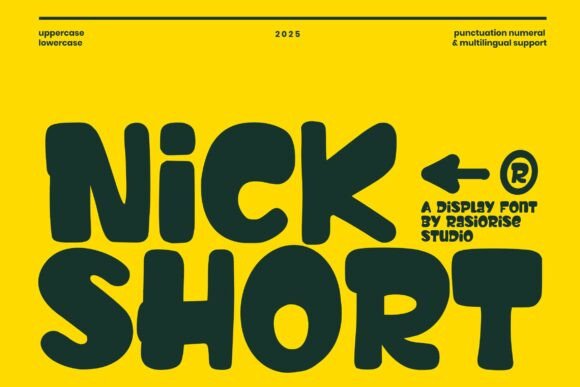
In the evolving world of digital design and visual communication, typography plays a pivotal role in conveying messages effectively and aesthetically. Among the latest contributions to this field is the Nick Short font, a unique handwritten display typeface that blends urban street style with a clean, readable structure. Whether you're a seasoned designer or someone exploring creative typography for the first time, understanding the characteristics and applications of Nick Short can open up new possibilities for your visual projects.
Understanding the Nick Short Font Style
The Nick Short font style stands out for its ability to merge two seemingly contrasting elements: the organic feel of handwriting and the clarity of a structured typeface. Unlike traditional script fonts that can sometimes be overly decorative or difficult to read, Nick Short maintains a balance that makes it both expressive and functional. Its rounded edges and fluid strokes give it a casual, approachable look, while its consistent spacing ensures legibility across various formats and sizes.
What makes this font particularly appealing is its versatility. The design incorporates subtle urban influences, reminiscent of graffiti and street art, yet it avoids the chaotic appearance that can come with such styles. This makes it a suitable choice for a wide range of applications, from branding to editorial design.
Advantages of Using Nick Short in Design Projects
- High Readability: Despite its stylized appearance, Nick Short is designed with readability in mind. Each character is distinct, making it easy to parse even at smaller sizes or from a distance.
- Visual Flexibility: Because of its hybrid nature, this font can adapt to both digital and print environments. It works well in headlines, subheadings, and even short blocks of text without overwhelming the design.
- Emotional Resonance: Handwritten fonts like Nick Short carry a sense of authenticity and warmth. They can evoke a personal touch, making them ideal for projects that aim to connect emotionally with the audience.
- Brand Differentiation: In a landscape where many brands rely on standard sans-serif or serif fonts, using a unique display font like Nick Short can help set a brand apart and create a memorable visual identity.
Real-World Applications of Nick Short Font
One of the most compelling aspects of the Nick Short font is its broad applicability. Designers have found it particularly effective in the following areas:
Logotype and Branding
Logos are the visual cornerstone of any brand, and using a distinctive font can enhance brand recognition. Nick Short's clean yet expressive design makes it a popular choice for logotypes in creative industries such as music, fashion, and lifestyle. Its urban edge gives it a modern feel, while its legibility ensures that the brand name remains clear and recognizable.
Book Covers and Editorial Design
In publishing, first impressions matter. A well-designed book cover can attract readers and convey the tone of the content. Nick Short works exceptionally well for titles on book covers, especially for genres like memoirs, creative nonfiction, and urban fiction. Its handwritten style can suggest a personal narrative or contemporary relevance.
Event Branding and Promotional Materials
From music festivals to community events, the visual identity of an event plays a crucial role in its marketing success. Nick Short's energetic and dynamic appearance makes it ideal for posters, flyers, and social media graphics. It adds a sense of movement and excitement that aligns well with the nature of such events.
Greeting Cards and Stationery
Personalized greeting cards and stationery benefit greatly from the warmth and intimacy that handwritten fonts provide. Nick Short allows designers to create elegant, handcrafted-looking designs without sacrificing clarity. It’s especially popular for wedding invitations, thank-you cards, and seasonal greetings.
Packaging and Label Design
In the retail and consumer goods industry, packaging is a key element of product appeal. Nick Short can be used effectively for product labels, tags, and promotional packaging. Its unique character helps products stand out on shelves and online marketplaces, where visual differentiation is essential.
Considerations When Using Nick Short
While the Nick Short font offers many benefits, there are a few considerations to keep in mind when incorporating it into your design work:
- Font Pairing: Since Nick Short is a display font, it's best used sparingly. Pairing it with a simpler, more neutral font (like a sans-serif) for body text ensures a balanced and readable layout.
- Size and Spacing: While the font is designed for readability, it's important to test it at different sizes and spacing settings. For instance, very tight tracking (letter spacing) can reduce legibility, especially in longer text blocks.
- Context and Audience: Consider the tone and purpose of your project. Nick Short works best in informal, creative, or youthful contexts. For formal or academic materials, a more traditional font might be more appropriate.
- Usage Rights: Always check the licensing terms when using Nick Short, especially for commercial purposes. Ensure that you have the appropriate permissions to use the font in your intended application.
Why Nick Short Stands Out in the Crowd
In a market saturated with countless fonts, what makes Nick Short worth considering? The answer lies in its thoughtful design and practical usability. Unlike many handwritten fonts that prioritize style over function, Nick Short manages to strike a harmonious balance between the two. It's not just a font that looks good—it's a font that works well in a variety of design contexts.
Moreover, its urban-inspired aesthetic aligns with current design trends that favor authenticity, minimalism, and a human touch. As more brands and creators seek to differentiate themselves through unique visual identities, fonts like Nick Short offer a compelling solution that is both modern and timeless.
Inspiring Creativity with Nick Short
Typography is more than just choosing a font—it's about storytelling through design. The Nick Short font style encourages designers to think beyond conventional typefaces and explore new ways of expressing personality and emotion through text. Whether you're designing a logo, a book cover, or a greeting card, Nick Short invites you to unleash your creativity and bring a fresh, dynamic energy to your work.
By integrating this font into your design toolkit, you're not just adding another typeface—you're embracing a design philosophy that values individuality, clarity, and visual impact. As you experiment with Nick Short, you may find that it becomes a go-to resource for projects that demand both style and substance.