White Oak: Elevating Design Through Timeless Typography
In the ever-evolving world of digital design, typography remains a cornerstone of visual communication. Among the many typefaces that have captured the attention of designers and creators alike, White Oak stands out—not merely as a font, but as a statement of elegance, character, and purpose. With its distinctive aesthetic and versatile application, White Oak has become a favored choice for those seeking to infuse their work with a sense of refined individuality.
The Aesthetic Appeal of White Oak
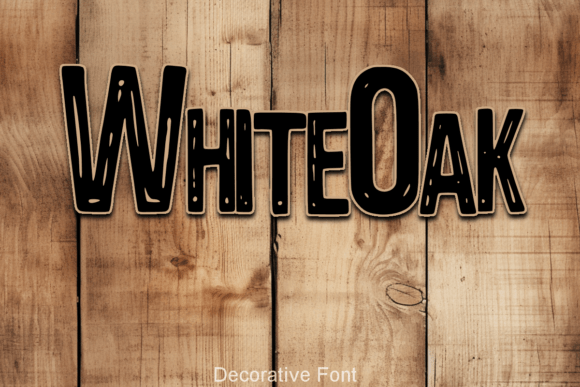
At first glance, White Oak captivates with its unique blend of classic structure and modern flair. Its letterforms are carefully crafted to balance readability with visual interest, making it equally suitable for both print and digital media. The font’s subtle serifs and slightly elongated ascenders contribute to its stately presence, while the nuanced stroke contrast adds a layer of sophistication without overwhelming the viewer.
Unlike many decorative fonts that sacrifice legibility for style, White Oak maintains a high degree of clarity, especially at larger sizes. This makes it ideal for use in headlines, branding materials, and editorial design where impact is key. Its personality shines through in every character, transforming simple text into a visual element that complements the overall design narrative.
Design Characteristics That Set White Oak Apart
- Distinctive Letterforms: Each character in White Oak is designed with attention to proportion and spacing, ensuring that the font retains its charm across various applications.
- Well-Balanced Weight: The font strikes a perfect middle ground between boldness and subtlety, making it versatile for different design contexts.
- High Readability: Despite its decorative nature, White Oak remains easy to read, especially in titles and short blocks of text.
- Stylistic Alternates: Many versions of White Oak include alternate characters and ligatures, offering designers additional creative freedom.
Practical Applications of White Oak
One of the most compelling aspects of White Oak is its adaptability. It is not confined to a single industry or design niche. Instead, it finds relevance across a wide range of creative fields, from branding and packaging to editorial layouts and digital interfaces.
Logo Design and Brand Identity
For businesses and creatives aiming to establish a strong visual identity, White Oak offers a timeless yet contemporary look. Whether used in a minimalist logo or as part of a more elaborate brand package, the font conveys professionalism and elegance. Its unique structure ensures that logos remain memorable without appearing overly ornate.
Editorial and Publishing Design
In the world of publishing, typography plays a critical role in reader engagement. White Oak’s readability and visual appeal make it a popular choice for magazine covers, book titles, and article headers. Its ability to stand out while maintaining a sense of refinement makes it particularly well-suited for lifestyle, fashion, and culture-related content.
Web and UI Design
As web design continues to prioritize both aesthetics and usability, fonts like White Oak have found a place in modern UI elements. Whether used for navigation menus, banners, or call-to-action buttons, the font adds a touch of personality without compromising functionality. When paired with clean, sans-serif fonts for body text, White Oak creates a harmonious typographic hierarchy.
Who Benefits from Using White Oak?
White Oak appeals to a broad audience of designers and creators, each with their own unique needs and goals. Below are some of the key user groups who can benefit from incorporating White Oak into their projects:
- Graphic Designers: Looking for a font that adds visual interest without overwhelming the layout.
- Brand Strategists: Seeking a typeface that reflects professionalism and creativity in brand materials.
- Web Developers: In need of a decorative font that performs well in digital environments.
- Content Creators: From bloggers to YouTubers, anyone creating visually driven content can use White Oak to enhance titles and promotional graphics.
- Educators and Researchers: Utilizing the font for presentations and educational materials where clarity and style are both important.
Real-World Examples of White Oak in Use
Consider a boutique coffee shop that wants to launch a new line of artisanal blends. Using White Oak in their packaging design immediately communicates a sense of craftsmanship and care. Similarly, a wedding invitation designer might choose White Oak for its elegant script-like qualities, offering couples a timeless and romantic aesthetic.
In digital spaces, White Oak might be used for a lifestyle blog’s header, drawing readers in with its inviting and warm presence. Even in more formal settings, such as university course catalogs or museum exhibition posters, the font’s versatility allows it to fit seamlessly into diverse visual contexts.
Why White Oak Stands Out Among Decorative Fonts
While there are countless decorative fonts available, White Oak distinguishes itself through its thoughtful design and functional elegance. Many decorative fonts lean too heavily into ornamentation, sacrificing readability and practicality. White Oak, however, manages to maintain a delicate balance—offering enough visual intrigue to stand out while remaining grounded in usability.
Another factor contributing to its popularity is its adaptability across different color schemes and design styles. Whether used in a minimalist black-and-white layout or a vibrant, multi-colored composition, White Oak retains its charm. Its character-based appeal ensures that it doesn’t get lost in the background, yet it never overshadows the message it conveys.
Comparing White Oak to Similar Fonts
When compared to other decorative serif fonts like Playfair Display or Cinzel, White Oak holds its own. While Playfair Display leans more toward a traditional, high-contrast aesthetic, White Oak offers a softer, more approachable look. Cinzel, on the other hand, has a more dramatic and stylized presence, making it better suited for historical or theatrical themes. White Oak’s moderate contrast and clean lines make it more universally applicable across design disciplines.
Considerations for Using White Oak Effectively
Despite its many strengths, White Oak is not a one-size-fits-all solution. To use it effectively, designers should consider the following best practices:
- Use at Appropriate Sizes: While White Oak is readable, it performs best at larger sizes. Avoid using it for long paragraphs or small text where clarity may be compromised.
- Pair Thoughtfully: For optimal visual harmony, pair White Oak with simpler, more neutral fonts like Helvetica or Open Sans, especially in multi-layered designs.
- Be Mindful of Context: Although versatile, White Oak may not be suitable for ultra-modern or highly technical branding. Always consider the tone and audience of the project.
- Test Across Mediums: Ensure the font renders well across different screens and print formats to maintain consistency in appearance.
Licensing and Availability
Before incorporating White Oak into a commercial project, it’s important to verify the licensing terms. Many versions of the font are available for both personal and commercial use, but some may require a license or attribution. Always check the source and ensure compliance with usage rights to avoid legal issues down the line.
Conclusion: A Font That Tells a Story
Typography is more than just choosing a typeface—it’s about conveying emotion, tone, and intention through the written word. White Oak does more than enhance design; it elevates the narrative behind it. Whether used in branding, editorial work, or digital interfaces, this font brings a sense of charm and character that few others can match.
By understanding its strengths, limitations, and appropriate applications, designers can harness the full potential of White Oak to create compelling, visually rich experiences. In a world where attention spans are short and competition for visual impact is fierce, White Oak offers a reliable and beautiful solution for those who want their work to stand out—gracefully.